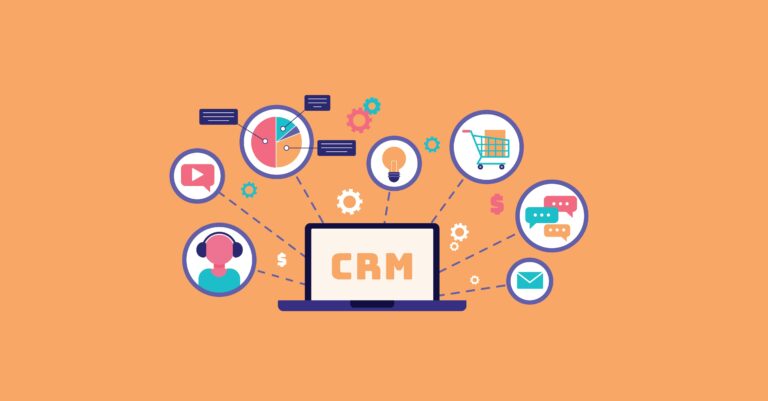

Salesforce Data Cloud is the real-time data engine that powers the entire Salesforce platform. It unifies fragmented customer data from every source into a single trusted profile and makes that profile available in real time to sales, service, marketing, and commerce teams. Rebranded as Data 360 at Dreamforce 2025, it now serves as the core data foundation for Agentforce AI agents.
Gartner named Salesforce a Leader in Customer Data Platforms for the third year in a row. FedEx used Data 360 to capture +2,000% ROI by pairing real-time unified customer data with AI to reactivate dormant accounts and recover lost opportunities.
What Is Salesforce Data Cloud
Salesforce Data Cloud is a customer data platform (CDP) built natively on the Salesforce platform. It collects data from every channel where a customer interacts with your business, including web visits, purchases, support calls, emails, and in-store transactions, and unifies it into a single real-time profile.
It is not a data warehouse or a CRM. It is the orchestration layer that makes data across every Salesforce cloud and external system consistent, current, and actionable. Since October 2025, Salesforce officially calls it Data 360. Existing Data Cloud contracts and capabilities are fully honoured under the new name.
How Salesforce Data Cloud Works
Salesforce organises Data Cloud across five capability areas:
- Connect. Ingest data via 200+ pre-built connectors to Salesforce clouds, third-party apps, and data platforms. Supports structured records and unstructured data including text, images, documents, and streaming events.
- Harmonize. Map all source data to the Unified Data Model and run Identity Resolution to link records from different systems into one unified customer profile.
- Govern. Enforce data usage policies, consent preferences, and compliance rules automatically across all connected data.
- Activate. Build dynamic audience segments and trigger Salesforce Flow automations or Agentforce workflows in real time based on data changes or segment membership changes.
- Share. Push unified profiles, segments, and insights back to external data lakes and warehouses without duplication.
Key Features of Salesforce Data Cloud
Zero-Copy Integration with Snowflake Databricks BigQuery and AWS
Zero-Copy connects Data Cloud directly to external data platforms like Snowflake, Databricks, Google BigQuery, and Amazon S3 and Redshift without duplicating or moving data. Salesforce describes it as giving teams access to massive amounts of data instantly, without complex ETL pipelines. Zero-Copy works in both directions: external data becomes queryable inside Data Cloud, and Data Cloud profiles and segments share back to those platforms in real time.
Identity Resolution and Unified Customer Profiles
Identity Resolution links records that belong to the same person across different systems. A customer who is a Contact in Sales Cloud, a Subscriber in Marketing Cloud, and a profile in your commerce platform gets resolved into one unified profile using configurable match rules. Every team then works from the same person, with the same context, in real time.
Calculated Insights and AI-Powered Segmentation
Data Cloud generates Propensity to Buy, Customer Lifetime Value, and Engagement Scores from unified profile data. These Calculated Insights update continuously and are immediately available for segmentation and Agentforce grounding. Einstein-powered segment suggestions recommend audience criteria based on historical campaign performance, reducing the manual work of building high-performing audiences.
Intelligent Context for Unstructured Data
Data Cloud now ingests and processes unstructured data alongside structured records, including text files, documents, images, and tables. Intelligent Context uses AI-assisted prompts to extract insights from this unstructured data tailored to your business context, giving Agentforce agents broader, more accurate information when handling customer interactions.
Salesforce Data Cloud as the Agentforce AI Foundation
Salesforce states this directly: Data 360 “ensures your AI agents and automated workflows always have the most accurate, up-to-date customer context.” Without unified profiles from Data Cloud, Agentforce agents access fragmented records from individual clouds, which limits reliability. Data Cloud implemented with accurate identity resolution is what makes Agentforce outputs trustworthy from day one.
Data 360 Triggered Flows initiate real-time Salesforce automations based on data changes, calculated insights, or streaming events, connecting what Data Cloud knows about a customer to what Agentforce does next. Read more about Salesforce Agentforce and how Cloud Odyssey implements it.
How Cloud Odyssey Implements Salesforce Data Cloud
Cloud Odyssey is a Salesforce Summit Partner implementing Data Cloud for organisations across retail, financial services, and education:
- Data model design and source system mapping to the Unified Data Model
- Identity resolution configuration for complete, trustworthy unified profiles
- Zero-Copy integration with Snowflake, Databricks, and Google BigQuery
- Calculated Insights for Lifetime Value, Engagement Scores, and Propensity to Buy
- Segment design and activation to Marketing Cloud, Journey Builder, and advertising platforms
- Agentforce grounding setup alongside our Salesforce Agentforce practice
- Source integration via MuleSoft for non-Salesforce data sources
See how unified data worked in practice in our Azim Premji Foundation case study, or explore Salesforce Data Cloud implementation services.
Conclusion
Salesforce Data Cloud has become the data foundation the entire Salesforce platform, and every Agentforce deployment, depends on. FedEx achieved +2,000% ROI using it, Gartner has recognised Salesforce as a Leader in CDPs for three consecutive years, and Zero-Copy has made it practical for enterprises already invested in Snowflake and Databricks.
If you want to implement Salesforce Data Cloud correctly and make it Agentforce-ready from day one, Cloud Odyssey can help.
Frequently Asked Questions About Salesforce Data Cloud
What is the difference between Data Cloud and Data 360
Data 360 is the official new name for Salesforce Data Cloud, announced at Dreamforce 2025. The product capabilities and pricing model are unchanged. Salesforce confirms existing Data Cloud contracts are fully honoured under the Data 360 name.
What is Zero-Copy integration in Salesforce Data Cloud
Zero-Copy lets Data Cloud connect directly to Snowflake, Databricks, Google BigQuery, and Amazon S3 and Redshift without duplicating or moving data. Teams access live data instantly without ETL pipelines. Unified profiles and segments from Data Cloud also share back to those platforms in real time.
How does Salesforce Data Cloud support Agentforce AI agents
Salesforce states that Data 360 ensures AI agents and automated workflows always have the most accurate, up-to-date customer context. Without Data Cloud, agents access fragmented records from individual clouds which limits output reliability. Data 360 Triggered Flows also initiate real-time automations based on data changes or calculated insight thresholds.
What insights can Salesforce Data Cloud generate
Data Cloud generates Calculated Insights including Propensity to Buy, Customer Lifetime Value, and Engagement Scores. Teams can use Salesforce’s low-code insights builder or bring their own AI models. Intelligent Context extracts insights from unstructured data including images, documents, and tables using AI-assisted prompts.